How Often Should Nashville Women Get Mammograms? An Age-by-Age Guide
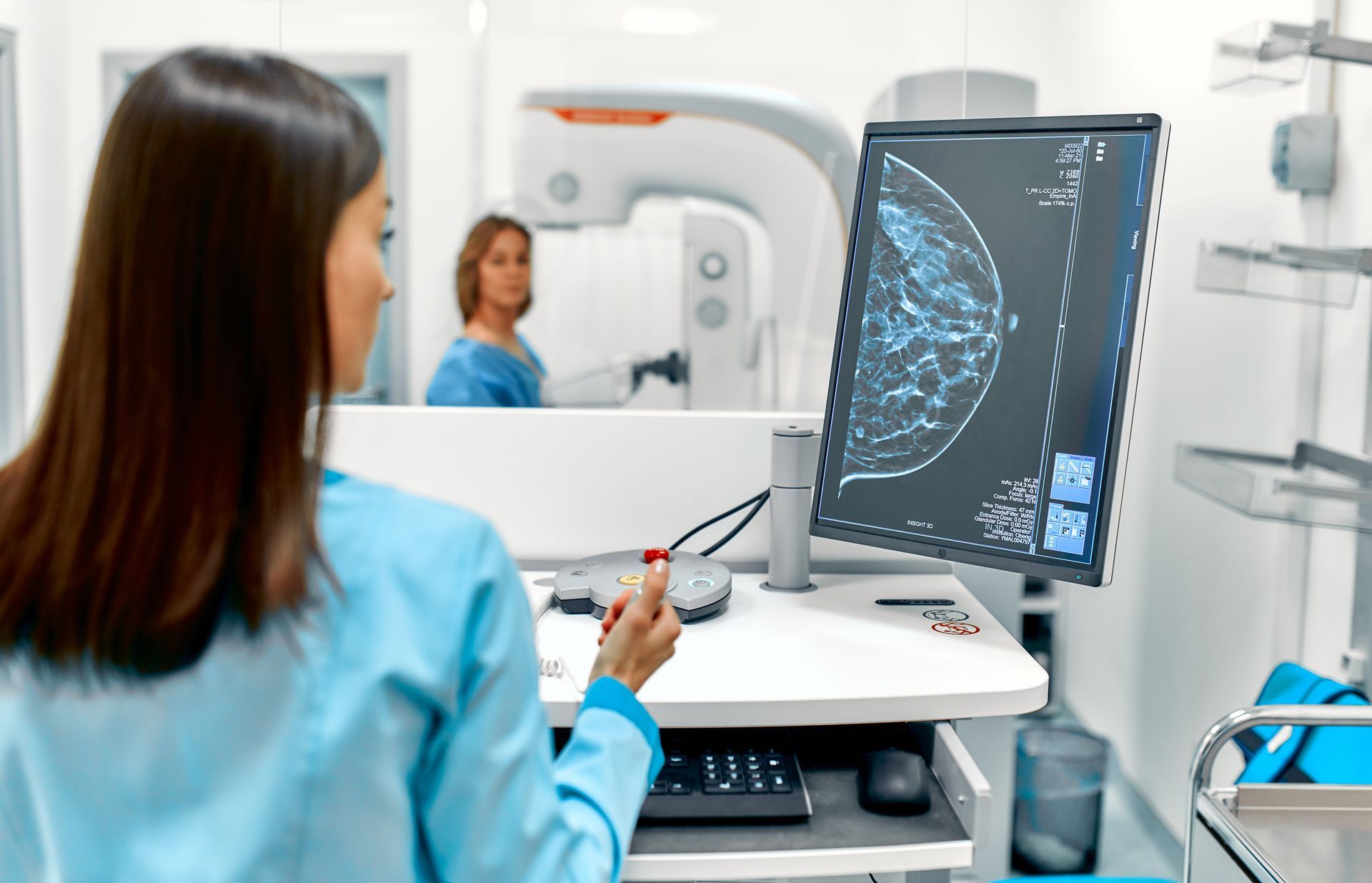
Mammograms are one of the most important tools women have for catching breast cancer early, and knowing when to schedule yours can make a real difference in your health outcomes. Guidelines have shifted in recent years, and many Nashville women may be unsure which schedule applies to them. This age-by-age guide breaks down current national recommendations so you can make an informed decision with your doctor.
Why Mammogram Timing Matters for Nashville Women
Early screening saves lives. Breast cancer is the second most common cancer and cause of cancer death for women in the United States, and mammography remains the best screening tool available.
Timing matters locally, too. Tennessee data shows that Black women have statistically significantly higher breast cancer mortality rates compared to White women, making consistent, timely screening especially important for Nashville's diverse communities. Mammograms in Nashville, TN, are available at multiple accredited facilities, so access is within reach for most women.
When Should I Start Getting Mammograms?
The answer now starts at age 40 for most women. According to the United States Preventive Services Task Force (USPSTF), people with breasts should get a mammogram every other year starting at age 40. Here is how guidance breaks down by age group.
Ages 40 to 44: Your Options Are Open
Screening at this stage is encouraged, and you have flexibility. The American Cancer Society (ACS) calls for women at average risk to have the opportunity to begin annual screening at age 40. Talking with your provider during this window lets you weigh personal risk factors and decide on a schedule that fits your health history. A mammogram at 40 also establishes a baseline that can help identify subtle changes in future comparisons.
Ages 45 to 54: Annual Screening Recommended
This is the window where most major organizations align on yearly screening. The ACS recommends that women ages 45 to 54 get mammograms every year. Breast tissue in this age group may still be relatively dense, and annual imaging can help detect changes before they become harder to treat.
Ages 55 to 64: Every One to Two Years
Regular screening continues, but the interval may shift. Women 55 and older should transition to biennial screening or continue annually if preferred. Your doctor can help you decide based on your personal history, breast density, and overall health.
Ages 65 and Older: Keep Going if You Are in Good Health
Screening should not automatically stop at a certain age. The ACS recommends that women continue getting mammograms as long as they are in good health and expect to live at least 10 more years. The American College of Radiology also recommends mammograms for average-risk women over 74. Talk with your provider as your health picture evolves.
What About Women at Higher Risk?
Higher-risk women often need to start earlier and screen more often. Women at high risk should generally get a breast MRI and a mammogram every year, typically starting at age 30.
You may be considered higher risk if you:
- Have a known BRCA1 or BRCA2 gene mutation.
- Have a first-degree relative with a BRCA mutation.
- Have a personal history of breast cancer, DCIS, or atypical hyperplasia.
- Received chest radiation before age 30.
- Have an estimated lifetime breast cancer risk of 20% or greater.
In general, higher-risk guidelines call for annual mammograms starting at age 30 and annual breast MRIs starting at age 25 to 35. If you are unsure of your risk level, ask your doctor about a formal risk assessment.
A Note on Race and Earlier Screening
Black women in Nashville may benefit from discussing earlier or more frequent screening with their provider. Black women are 40% more likely to die from breast cancer than White women and have a higher incidence of triple-negative breast cancer, which is aggressive, occurs at a younger age, and often presents at a more advanced stage. The USPSTF cited these disparities as a key reason for its updated recommendation to begin screening at age 40.
How Often Should I Get a Mammogram? A Quick Reference
Here is a simple summary based on current guidance:
- Average risk, ages 40 to 44: Optional annual screening; discuss with your provider.
- Average risk, ages 45 to 54: Annual mammogram recommended.
- Average risk, ages 55 and older: Every one to two years, or annually if preferred.
- Higher risk (any age): Annual mammogram, often starting at 30; consult your provider for a personalized plan.
Your provider may recommend a different schedule based on your health history, breast density, or other factors. Always defer to your care team for personalized advice.
What Is the Difference Between Screening and Diagnostic Mammograms?
A screening mammogram is a routine exam for women with no current symptoms. A diagnostic mammogram is ordered when something unusual is found or a new symptom appears. The first mammogram guide walks you through exactly what to expect at each step.
Schedule Your Mammogram in Nashville Today
Staying on track with your screening schedule is one of the most proactive things you can do for your long-term health. Nashville Healthcare Center offers ACR-accredited mammogram services, including 3D mammography, at multiple convenient locations across Nashville, TN.
Call
(615) 341-4181 to schedule your appointment, or connect with
Nashville Healthcare Center online to learn more. Early detection starts with a single appointment.