3D Mammograms vs. 2D Mammograms: What Nashville Women Should Know in 2026
Understanding the difference between 2D and 3D mammograms helps Nashville, TN, women make more informed decisions about their breast health. Both types use low-dose X-rays to check for early signs of breast cancer, but they work in distinct ways. Knowing which option may be right for you can make a real difference in early detection.
How 2D and 3D Mammograms Actually Work
A traditional 2D exam captures two flat images of each breast, one from above and one from the side. A 3D screening, also called digital breast tomosynthesis (DBT), takes multiple images in an arc-like pattern, then software reconstructs them into thin slices that radiologists can review one by one. Think of it like the difference between a single photograph and a short video. The additional views can reveal details that a flat image might hide.
Who May Benefit Most From a 3D Mammogram?
3D imaging may offer the clearest advantage for women with dense breast tissue. Approximately 40% of women have dense breasts, which makes screening less effective because dense tissue appears white on imaging, the same color as tumors. Research has found that 3D tomosynthesis improves detection rates in women with heterogeneously dense breasts, though for women with extremely dense breasts the benefits are less clear.
Women who may want to discuss 3D screening with their provider include those who:
▸ Have received a dense breast tissue notification after a prior screening.
▸ Have a personal or family history of breast cancer.
▸ Have been recalled for additional views after a previous 2D screening.
▸ Are due for annual screening and want the most detailed imaging available.
Dense Breast Notifications and Tennessee Law
Under Tennessee state law, if a physician determines after a breast exam that a patient has dense or extremely dense breasts, the facility must notify the patient. Federal standards now apply nationwide as well. Beginning September 10, 2024, facilities must provide all patients with one of two federal breast density statements: "not dense" or "dense."
If you receive a dense breast letter, that is not a diagnosis. Bring it to your next appointment and ask your provider whether 3D imaging or supplemental screening is appropriate for your situation.
What to Know About Insurance Coverage in 2026
Medicare covers 3D breast imaging at the same rates as 2D mammograms and other breast screening when medically necessary. Medicare Part B covers one screening exam every 12 months for women age 40 and older at $0 cost when your provider accepts Medicare assignment. Diagnostic exams are covered at 80% after the Part B deductible of $283 in 2026.
For private insurance, coverage rules vary. Many Tennessee health plans are required to cover breast cancer screening, but cost-sharing for 3D imaging can differ. Always confirm your benefits before your appointment. If cost is a concern, ask your care team about available assistance programs.
What Should I Expect During a 3D Mammogram Appointment?
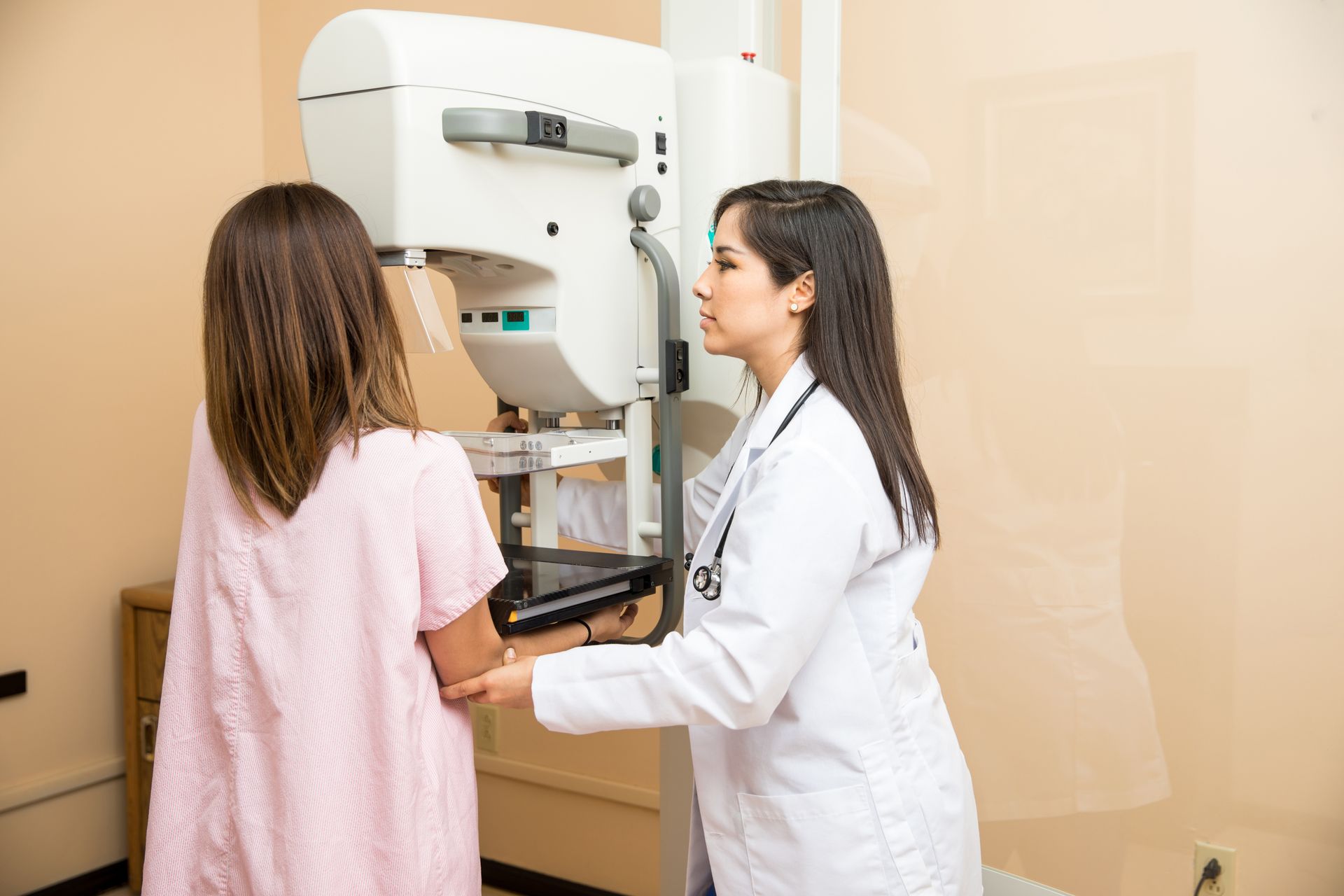
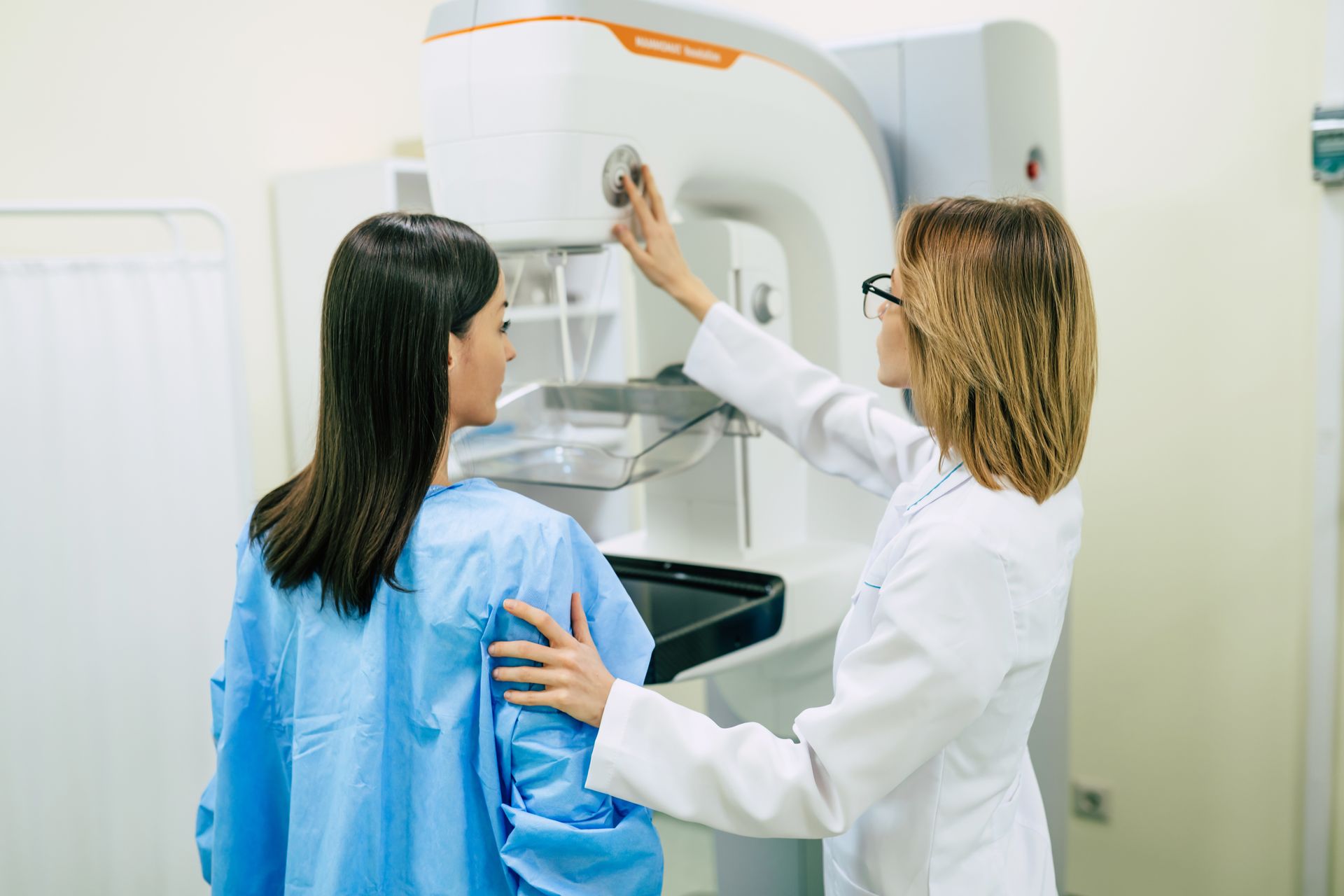
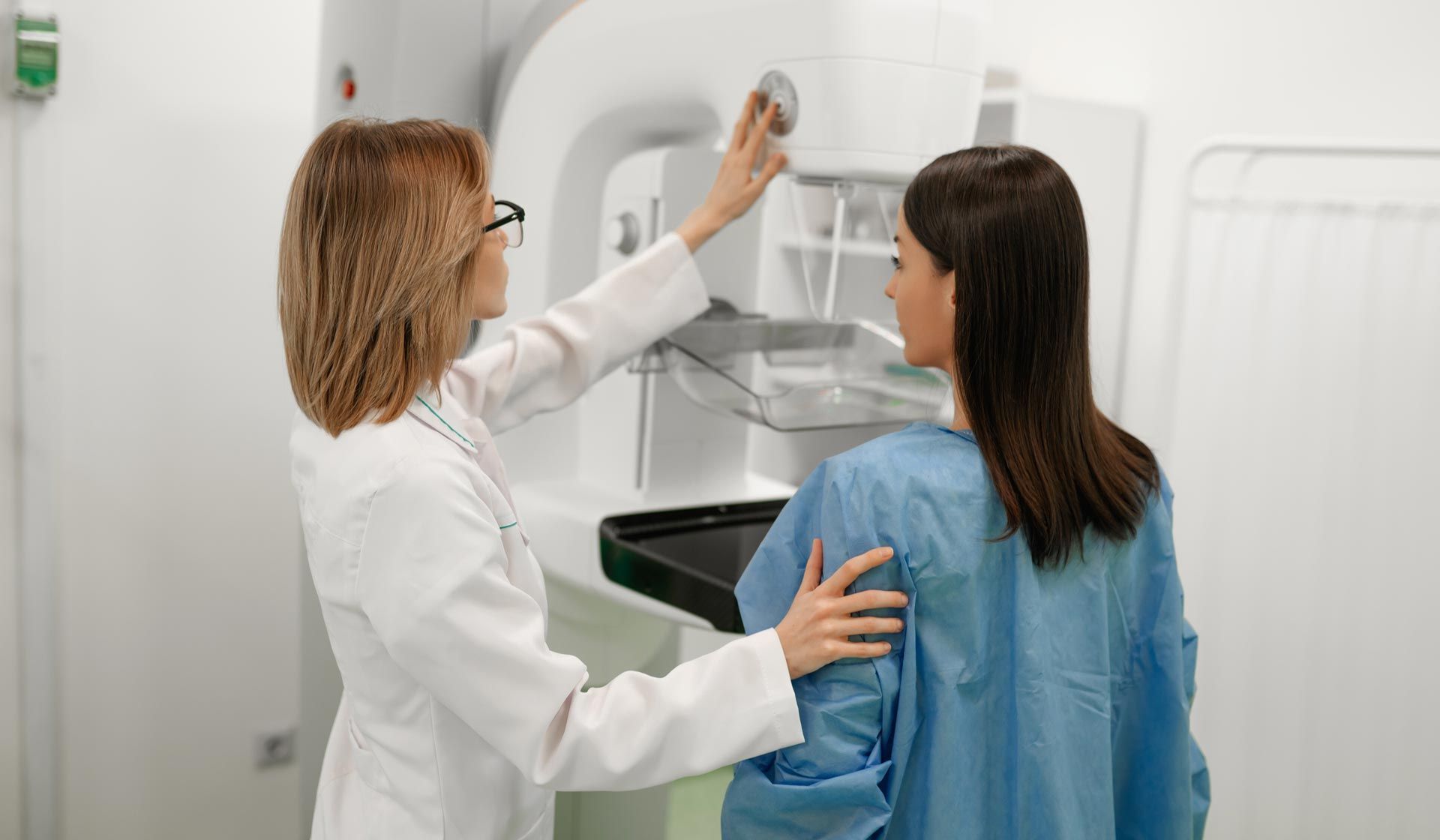
A 3D screening appointment is similar to a standard exam and takes only a few minutes longer. The breast is compressed gently between two plates, and the machine moves in a short arc to capture multiple images. Most women find the experience comparable in comfort. Results are typically reviewed by a radiologist and sent to your referring provider within a few days. Bring prior imaging records if you have them, as comparison images help your radiologist give the most accurate reading.
Is a 3D Mammogram Always Better Than a 2D Mammogram?
Not necessarily. The best choice depends on your individual health profile. 3D imaging can offer clearer results for many women, particularly those with dense breast tissue, but your provider is the right person to determine which type fits your risk level and medical history. Both 2D and 3D screening detect many breast cancers early, and the most important step is getting screened regularly.
When Should Nashville Women Start Screening?
Most major medical guidelines suggest women at average risk begin annual screening at age 40. Tennessee health benefit plans must cover a baseline exam for women age 35 to 40 and a yearly screening for women age 40 and older based on physician recommendation. Women with a family history of breast cancer or other risk factors may be advised to start earlier. Talk with your primary care provider about the right time to schedule your first or next screening.
Schedule Your Mammogram in Nashville, TN
Nashville Healthcare Center offers professional, compassionate breast health care for women across the Nashville, TN, community. Learn more about our imaging services, or explore our full breast health program to understand all available screening and diagnostic options.
Call
(615) 341-4968 to schedule your appointment, or
contact us online to request a convenient time. Nashville Healthcare Center is here to make breast health screenings accessible, clear, and stress-free for every woman we serve.