Why Regular Mammograms Are Essential for Early Detection
Breast cancer is one of the most common health concerns for women across the country. The good news is that routine screenings give doctors a powerful tool to find problems early. For women in Nashville, TN, staying current with these screenings is one of the most impactful steps you can take for your health.
Why Early Detection Makes Such a Big Difference
Finding breast cancer early can change everything. According to the American Cancer Society, the 5-year relative survival rate for localized breast cancer, meaning cancer that has not spread outside the breast, is 99 percent. That number drops sharply once cancer spreads. Among patients with breast cancer that has already metastasized to distant body areas at the time of diagnosis, the survival rate is 32.6%.
Breast cancer death rates have slowly decreased over time, for an overall decline of 44% since 1989. This is in part due to better screening and early detection efforts, increased awareness, and continually improving treatment options. Routine screenings are a key reason more women are surviving today than ever before.
What Exactly Is a Mammogram?
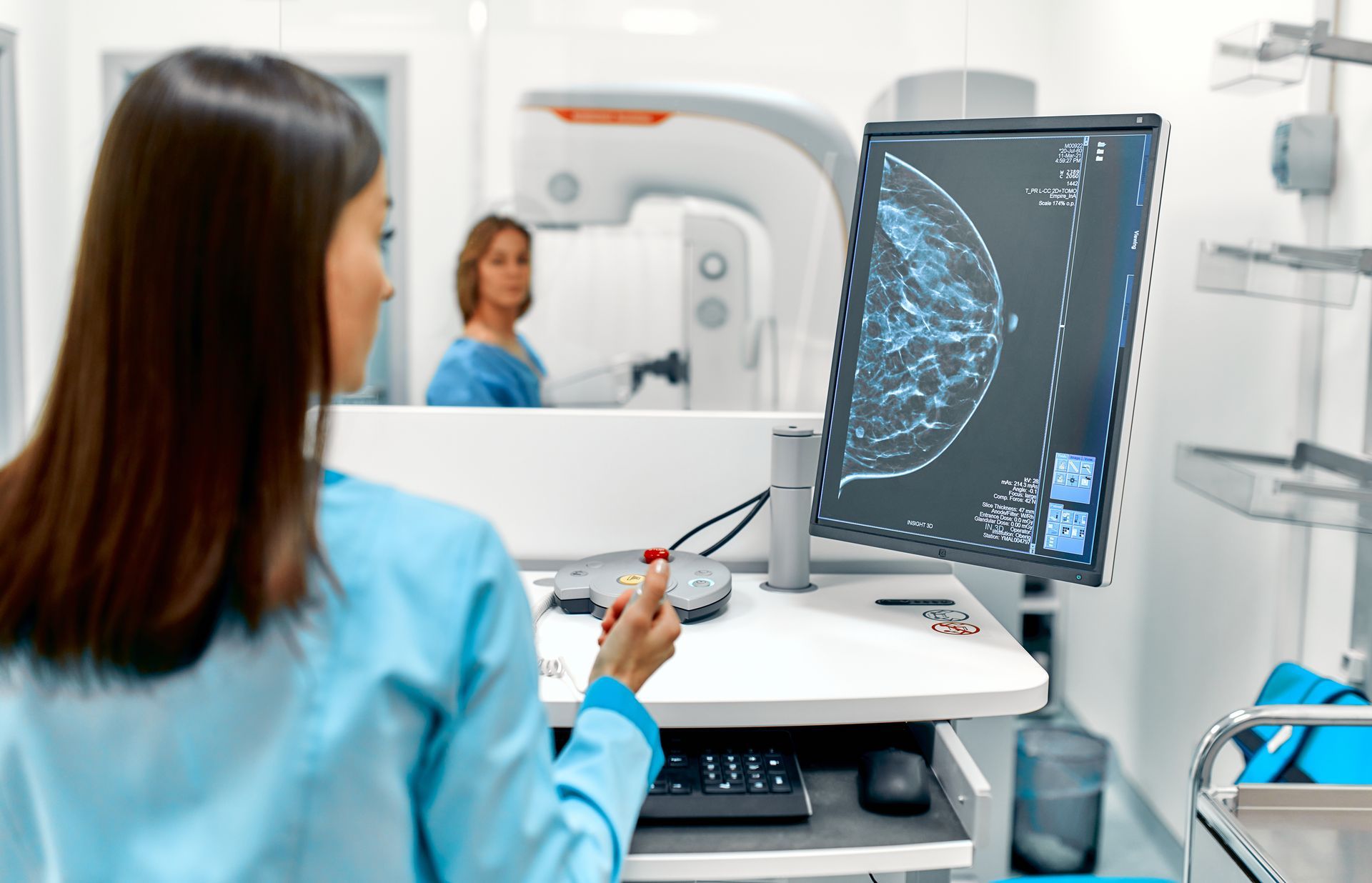
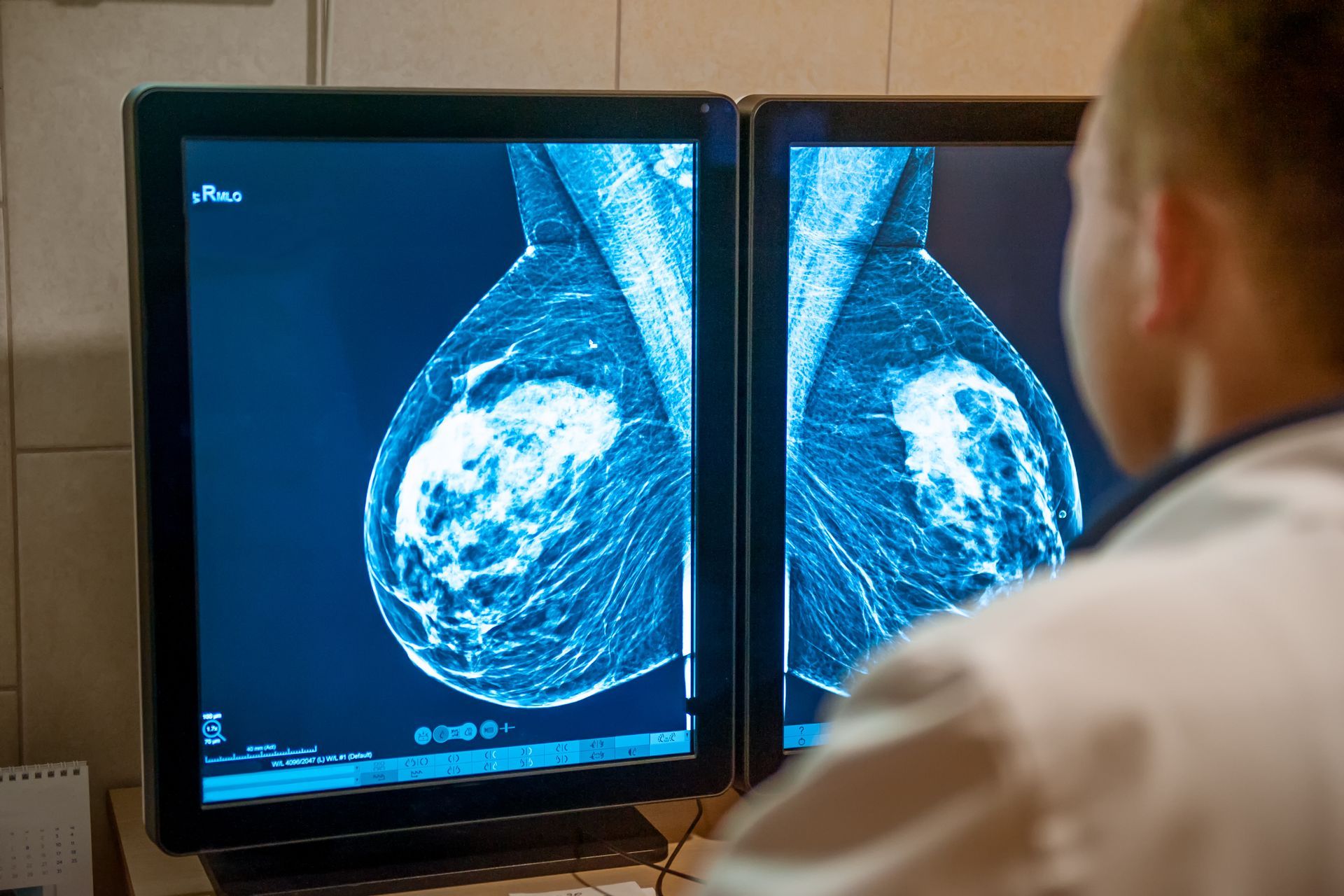
A mammogram is a low-dose X-ray of the breast used to look for early signs of cancer. This preventative health screening can help doctors look for early signs of breast cancer before symptoms appear. Regular screenings will alert your doctor to anything that may indicate the development of breast cancer, which can then contribute to early treatment.
Mammography is medical imaging that uses low-dose X-rays to see inside the breasts, and for most women, it is the best way to find breast cancer in an early stage. It is fast, widely available, and covered by most insurance plans.
What About 3D Mammograms?
Many imaging centers, including those offering outpatient imaging services in Nashville, TN, now offer 3D mammograms as part of their diagnostic imaging options. This advanced technology, also known as tomosynthesis, combines multiple X-rays to create a three-dimensional image of the breast and is especially helpful for women with dense breast tissue.
An annual screening mammogram can reveal extremely small and potentially cancerous changes, such as calcium deposits called microcalcifications, early on. Catching these tiny changes early gives doctors more options and patients better outcomes.
What to Expect During a Mammogram
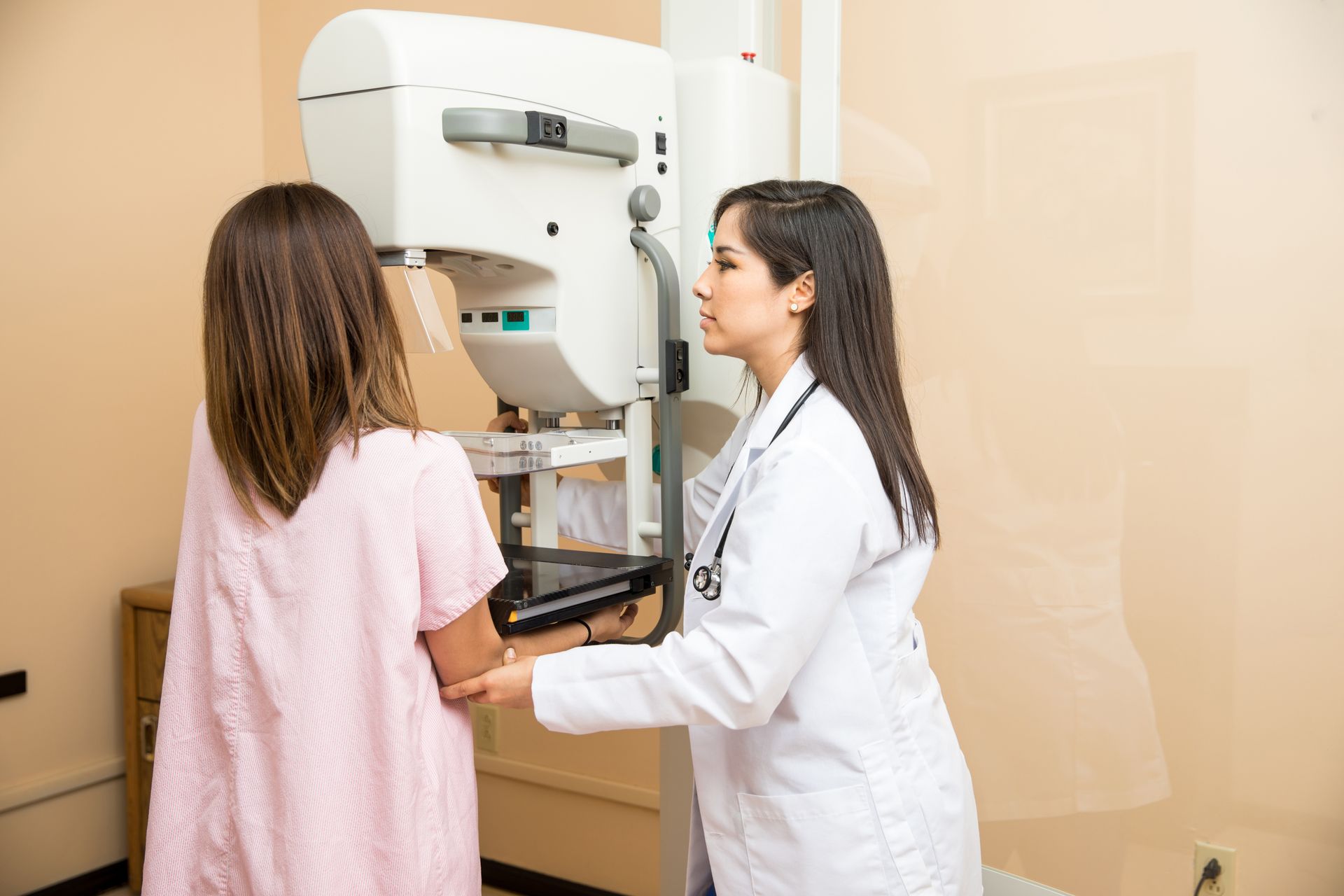
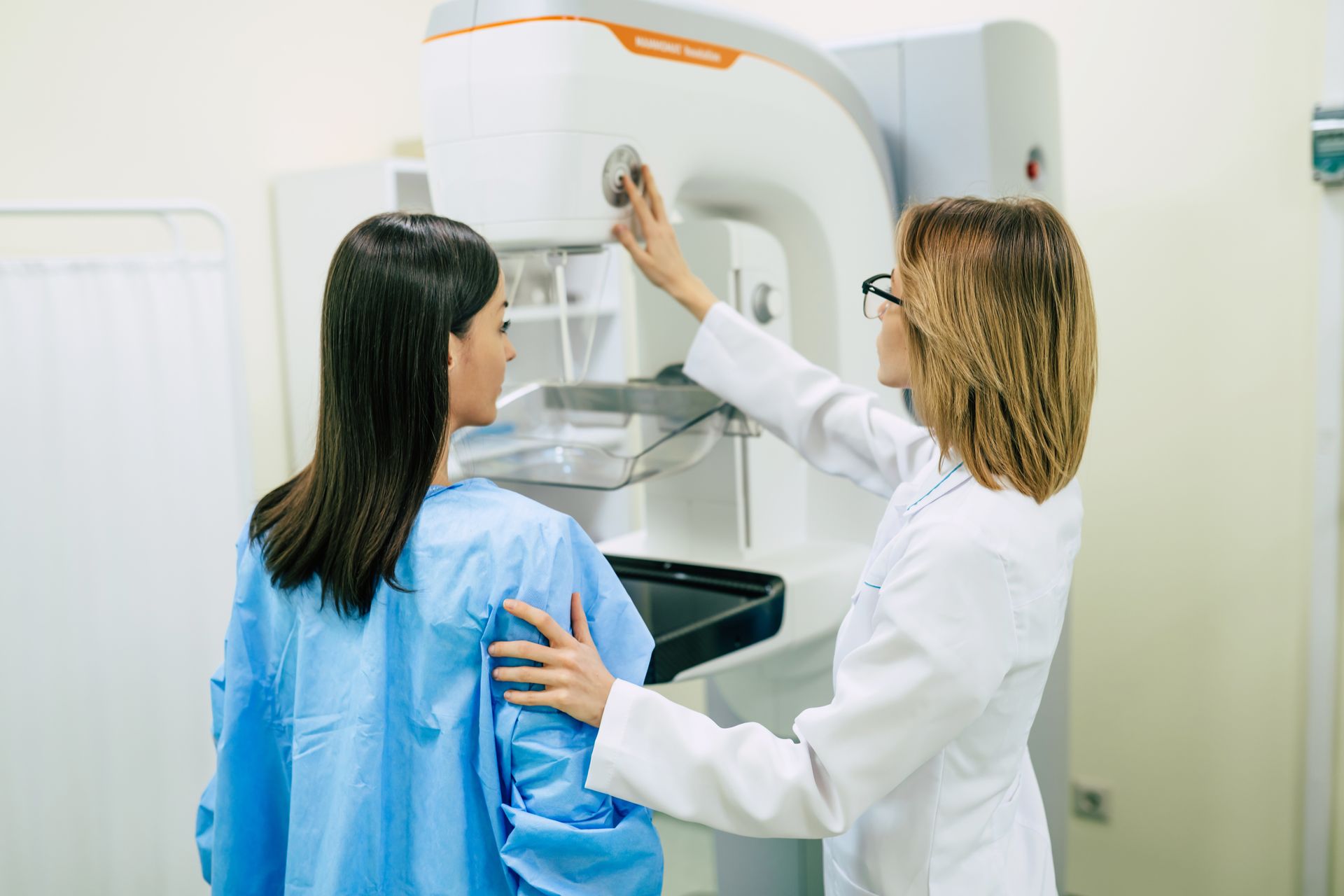
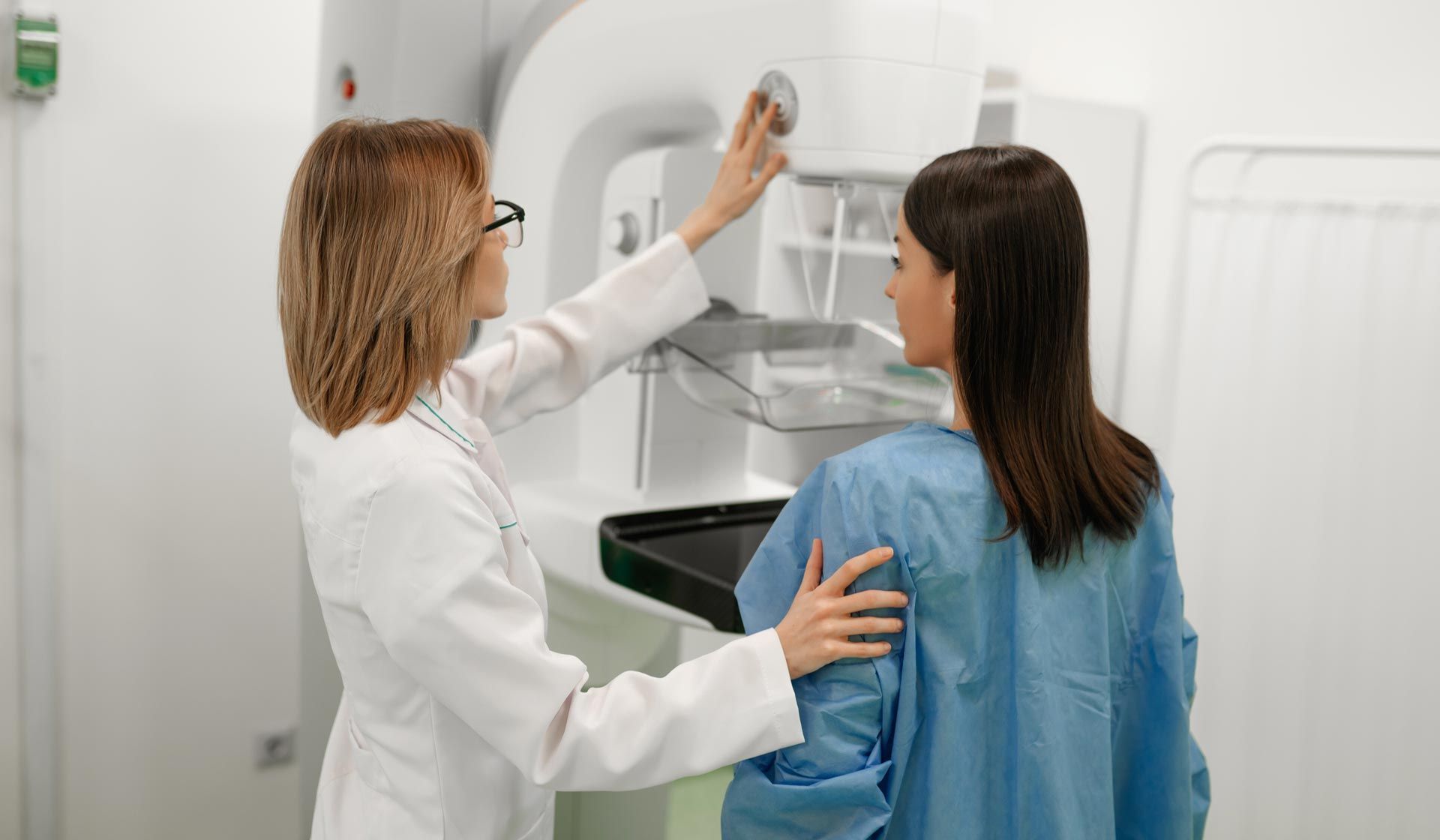
Many women feel nervous before their first mammogram. Knowing what happens can ease that anxiety. An X-ray of your breast is taken during the procedure, both from above and from the side. During the screening, your breast will be pressed into a special machine that will take the X-rays. The whole process should only take a few minutes.
Your X-rays will then be sent to a specialist, and you can expect the results within a few weeks. Every scan will look different, just as all breasts look different, but your provider will be able to distinguish any abnormalities.
Some women find the compression briefly uncomfortable, but it is over quickly. Wearing a two-piece outfit to your appointment can also make the process easier. Talk to your provider ahead of time if you have concerns about discomfort.
Screening Guidelines Based on Age and Risk
Knowing when to start is just as important as getting screened at all. The American College of Obstetricians and Gynecologists recommends that all individuals at average risk of breast cancer should begin screening mammography at 40 years of age.
This recommendation is consistent with guidelines from the U.S. Preventive Services Task Force, the National Comprehensive Cancer Network, the American College of Radiology, and the Society of Breast Imaging. There is now strong agreement across major health organizations that starting at 40 is the right choice for most women.
Here is a general overview of screening recommendations based on age:
- Ages 40 to 44: Women should be offered the choice to start annual screenings, with risks and benefits discussed with a doctor.
- Ages 45 to 54: Annual mammograms are recommended.
- Ages 45 to 54: The American Cancer Society recommends a scan every year. Women 55 and older can switch to a mammogram every other year or continue with yearly screenings, with screening continuing if they are in good health and expected to live 10 or more years.
Racial Disparities and Why Equity in Screening Matters
Breast cancer does not affect all women equally, and it is important to understand these differences. Black women are 40% more likely to die from breast cancer than white women and are more likely to develop deadly cancers such as breast cancer at a younger age.
Black women also have a higher incidence of triple-negative breast cancer, which is an aggressive form of breast cancer that occurs at a younger age and presents in a more advanced stage at diagnosis. This makes early and regular screening even more critical for Black women.
The Role of Diagnostic Imaging in Breast Health
Mammograms are a key part of a broader approach to breast health. Diagnostic imaging gives doctors a way to see what is happening inside the body without invasive procedures. Diagnostic imaging helps doctors view the inside of your body to diagnose, monitor, or treat medical conditions. At healthcare diagnostic imaging centers advanced technology is used to capture detailed, accurate images that guide treatment decisions.
Whether it is an MRI, CT scan, or ultrasound, imaging services give your care team the insights they need to deliver effective and timely care. Sometimes a mammogram leads to follow-up imaging, and having all these services in one location makes the process easier for patients.
Making Mammograms a Regular Part of Your Healthcare Routine
Fitting a mammogram into your busy life is easier than you might think. Most screenings take less than 30 minutes from start to finish. Think of your mammogram the same way you think about your annual physical or dental cleaning. It is a routine part of staying healthy. "Finding cancers earlier provides patients with more, and often less-aggressive, treatment options. "That means less disruption to your life if something is found.
At Nashville Healthcare Center, our team is here to support your breast health every step of the way. Whether you need to schedule your first mammogram or discuss your personal risk factors with a provider, we make it easy.
Call us to book your appointment to get started. We invite you to read our reviews and learn more about us on the
Nashville Healthcare Center Google Business Profile.